
We open the door. Then we stay in the room.
Getting the right person at the bank to take the call is the first problem. Keeping the deal alive through the months that follow is the bigger one. We have spent over a decade building the relationships that do the first, and we stay in it for the second.
Africa does not fail on product. It fails on access, and on the middle of the deal.
You have a product that works. It has reference customers, it has traction, and it solves a problem African banks and fintechs genuinely have. None of that is the constraint.
Three things go wrong instead.
You cannot get to the person who decides
In African financial services the buyer does not take cold meetings. The decision sits with a handful of people at each bank, processor or fintech, and they pick up for someone they already know. Cold outbound does not just fail. It burns the list, and your brand with it.
The deal dies in the middle, not at the door
You get the meeting, the buyer is interested, and then it goes quiet. Vendor risk. Security review. POPIA. Integration questions. A sponsor who moves to another business unit. Budget that resets in a month you did not plan for. Most foreign vendors read that silence as a no and walk away from a deal that was still alive.
Everything you try first costs more than it looks
Hiring, reselling, agents and consultants all have the same problem. They ask you to commit before you know whether the market is real.
What most companies try first
| Route | What it costs | Why it stalls |
|---|---|---|
| Hire a country manager | Twelve to eighteen months and a full senior package before you learn anything | You are betting six figures on a market you have not tested. The right operator is hard to find and harder to keep once found. |
| Appoint a reseller or distributor | Your margin and your brand | The buyer meets the reseller, not you. You lose the relationship, the pricing power and any real read on the market. |
| Commission-only agent | Nothing upfront | Nobody works an eight-month enterprise cycle for free. They chase what closes this quarter, and that is not your deal. |
| Market entry consultancy | A report | You get a document confirming the market is attractive. You still cannot get the meeting. |
| Cold outbound | Time, and your reputation | Senior buyers in African financial services do not respond to cold email. The first impression is also the last one. |
There is a sixth option. Use the relationships that already exist, pay for access rather than headcount, and find out whether the market is real before you commit to it.
We open the door, we keep it open, and we keep the deal moving
This is not a lead list and it is not a sales agency. We do three things, in order, and each one is where deals are usually lost.
Open
- Organisational mapping
- We identify the business unit that actually owns your problem inside each target institution, and the person in it who holds budget. Not general IT procurement. Not a head of innovation with no mandate.
- Account tiering and sequencing
- A ranked target list built on strength of access and likely cycle length, refined as the engagement runs, so you work the accounts that can move first.
- The introduction
- Warm, personal, and from someone the buyer already trusts. You walk into a real conversation with the person who can say yes.
Keep it open
- Reading the room
- Who is sponsoring you internally, who can block you, and who has to be brought in before anything gets signed.
- Unblocking what kills vendor deals
- Security review, vendor risk, POPIA and data residency, integration concerns. These are where good products die in African banks.
- Warm re-engagement
- When it goes quiet we go back through the relationship, not through the inbox. Silence inside a South African bank is not a decision.
- Timing discipline
- Budget cycles, procurement calendars and the December to mid-January shutdown. Getting the timing wrong costs you a quarter.
Move the deal
- Positioning
- We frame your product against the specific pain that specific buyer has, in the language they use internally to justify spend.
- Deal structuring support
- Senior input at the point where terms, scope and pricing get decided.
- Local partners
- Coordination with legal, regulatory and integration partners where the deal needs them.
- Executive presence
- When a senior relationship needs a senior person in the room, we are in the room.
The boundaries, stated up front
We would rather be clear now than manage expectations later.
- We do not run cold outbound or build lead lists.
- We do not write RFP responses or manage procurement paperwork.
- We do not replace your sales team. You run the technical cycle and you close your own deals.
- We do not own your product, pricing, licensing or integration fit. If a deal fails on any of those, that one is yours.
- We do not represent your competitor. One provider per category, always.
We also hold a limited number of engagements at any time. This only works if the attention is real.
The network behind the introduction
Anyone can promise a network. Here is what ours is made of.
We placed the people you need to reach
For over a decade we have run retained executive search for African fintech and banking. The decision-makers you are trying to meet are, in many cases, people we put in their seats, or have known since long before they got there. That is not a contact list. It is years of trust, and it is why the call gets taken.
We help run the industry’s institutions
Our team co-founded the Fintech Association of South Africa and runs it day to day, holds office at the Payments Association of South Africa, and leads the Sub-Saharan chapter of African Women in FinTech and Payments. When the industry sets standards and writes policy, we are in the room.
We are on the stages where the market gathers
We speak, host and moderate at the events where the sector’s leaders actually show up, from the Africa FinTech Festival to the South African FinTech Awards, alongside the regulators, founders and investors who set direction.
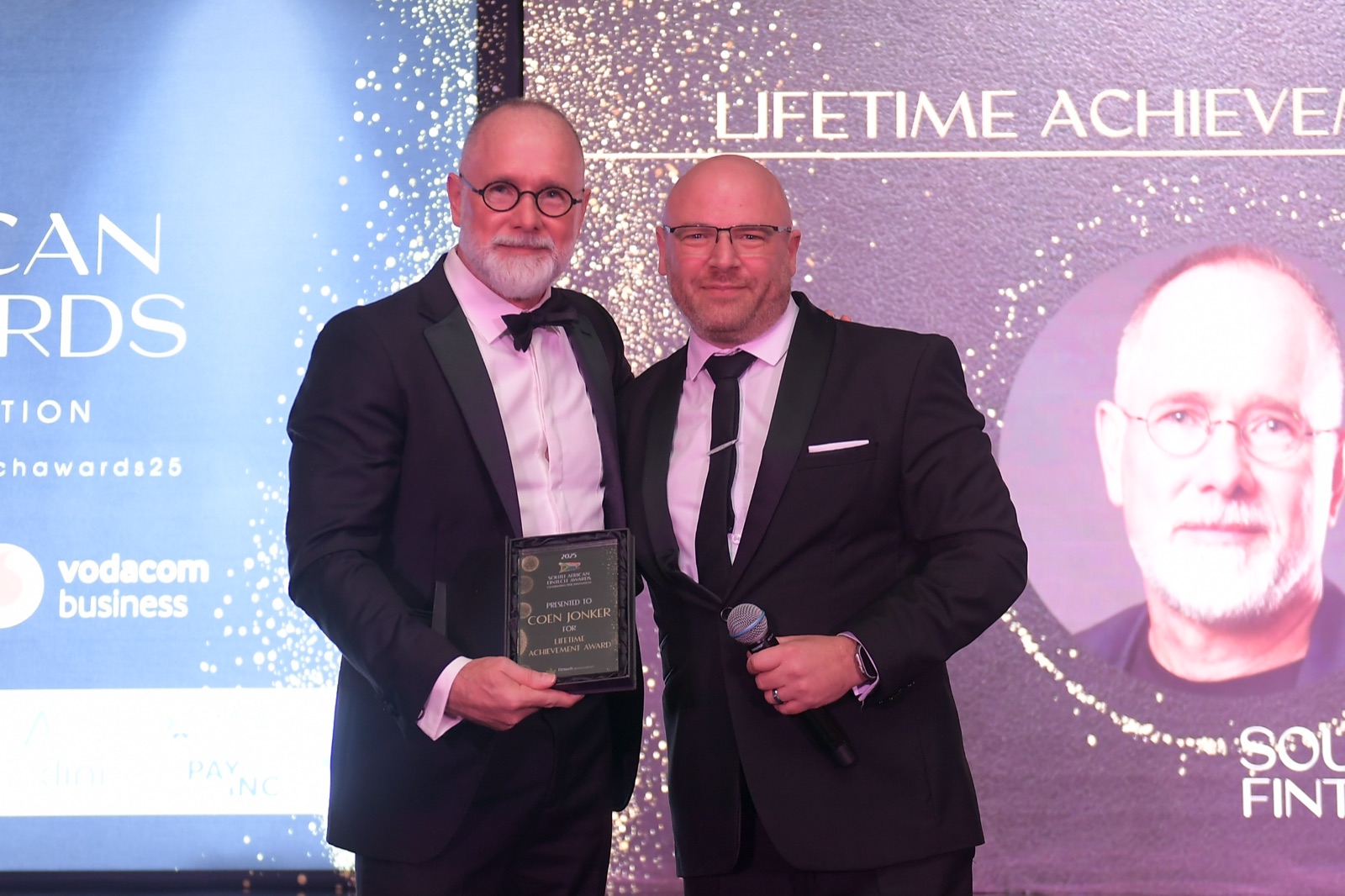
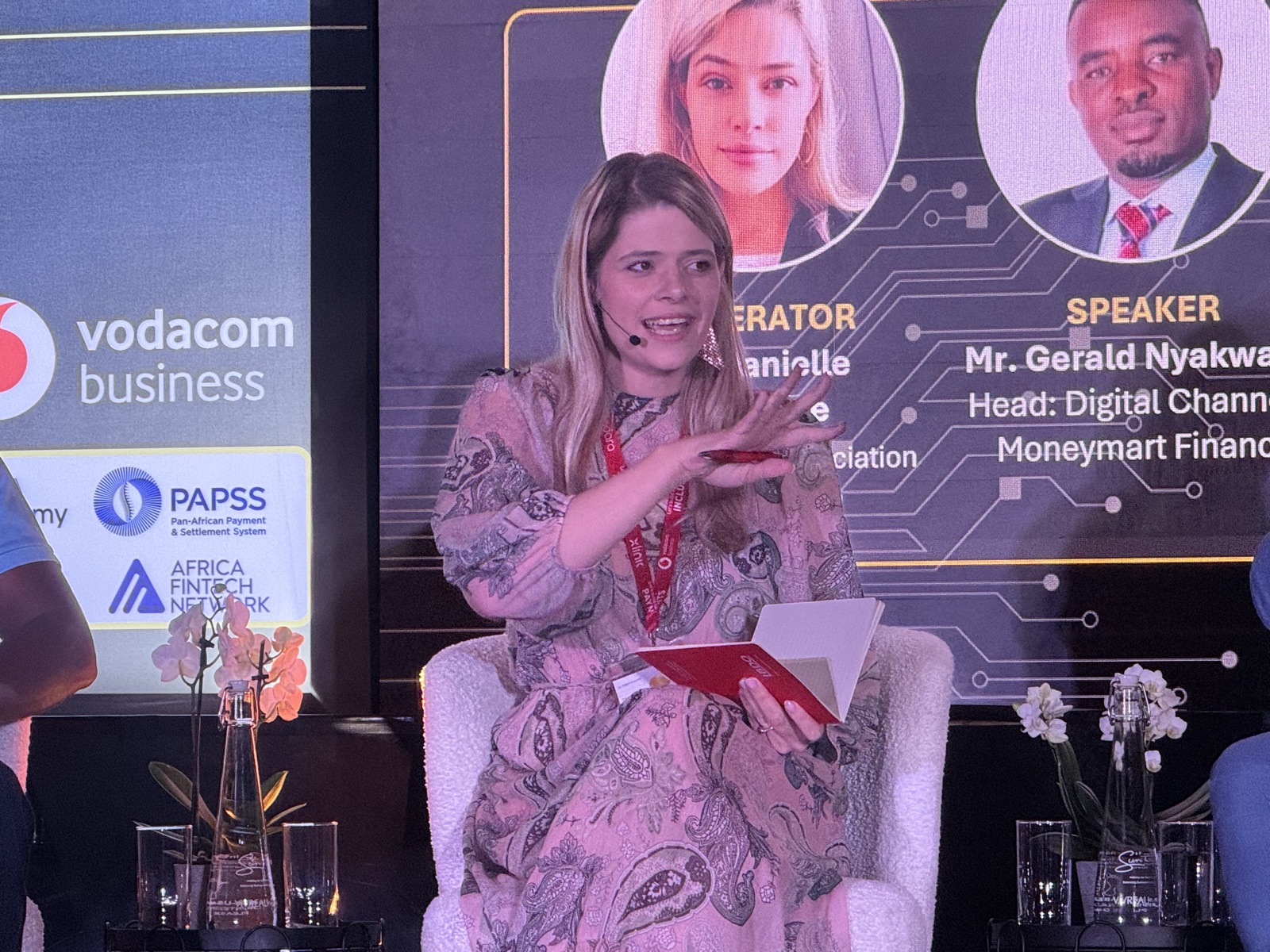

Seventeen African markets. Direct relationships with regulators in twelve of them. Partnerships with the African FinTech Network across the continent, the European Women in Payments Network beyond it, and the global benchmarking platform Findexable.
Put those together and you have a route into African financial services that very few firms can match.
The window matters more than the pitch
African financial services buys on cycles, not on interest. Regulatory deadlines, licensing changes and infrastructure migrations create windows where budget appears and decisions get made quickly, and long stretches where nothing moves regardless of how good the product is.
We track those windows because we sit inside the bodies that see them coming. Knowing that a buying window is eight weeks out, or that it closed last quarter, changes the entire sequencing of an engagement. Most vendors find out afterwards.
Built for providers selling into African financial services
The companies we do this for share a profile. A product that already works somewhere, and a wall they cannot get over on their own.
- Verification, identity and onboarding providers
- Payments infrastructure, rails and back office platforms
- Risk, fraud and compliance tooling
- Enterprise software and technology vendors selling into banks and fintechs
- Connectivity and payment technology businesses expanding into new enterprise channels
- Companies with strong traction elsewhere, now trying to crack African markets
- Scale-ups trying to move past founder-led selling into real distribution
This is not for you if you are still looking for product-market fit, you want cold outbound or a lead generation service, you want a commission-only arrangement, or the deal requires a licence you do not yet hold. We will tell you that in the first conversation rather than the third month.
One provider per category. Always.
We only ever represent one provider in a category. If we are opening doors for you, we are not opening them for your competitor.
That is a promise to you. It is also why the buyer side trusts the introduction in the first place. When we bring someone to the table they know we are not sending the same message to three of your rivals next week. The introduction carries weight precisely because we do not hand it out.
This works when both sides show up
- Your target account list and buyer personas, kept current
- Product collateral, pricing and a walkthrough we can put in front of a senior buyer
- Responsiveness, and a willingness to travel into the market when a senior relationship warrants it
- Legal and compliance readiness to close inside realistic procurement timelines
The first two to three weeks are organisational mapping and positioning alignment before any introduction is made. Doors open once, so we open them properly.
In client deal flow over five years. Real pipeline and real revenue, from conversations that would not have happened any other way.
A European enterprise software business
Strong traction across Europe and North America, no route into South African financial services or the public sector. We mapped the business units that owned the problem, tiered the target institutions by strength of access, and routed introductions to budget holders rather than procurement.
A payments back office platform
Live in fifteen markets with proven savings, targeting tier one South African banks. The product was never the question. Getting past the first meeting inside an institution with an eighteen-month procurement culture was.
A connectivity and payment technology group
Established in the market and looking to open new enterprise channels rather than enter a new one. Same motion, different starting point.
References available privately.
Common questions
What is market access in African financial services?
Getting a vendor in front of the people who make buying decisions at banks, processors, fintechs and large regulated enterprises, and keeping the deal alive through the internal process that follows. In practice it is access, positioning and momentum rather than lead generation.
How is this different from a lead list or a sales agency?
A lead list gives you names. An agency sends cold emails. We make a personal introduction to someone who takes the meeting because we asked, then stay in the deal while it works its way through the institution.
Do you replace our sales team?
No. You run the technical cycle and you close your own deals. We open the door, unblock what stalls, and keep the deal moving toward a decision.
How long before we see meetings?
The first two to three weeks are organisational mapping and positioning alignment. Introductions begin after that. Enterprise cycles in African banking typically run four to eight months from first meeting to signature, and shorter with processors, PSPs and fintechs.
Do you guarantee deals?
No. We control access and momentum. We do not control your product, your pricing, your integration fit or the buyer’s budget. Anyone guaranteeing outcomes in this market is guessing.
Do you work with more than one provider in the same category?
No. One provider per category, and we will not open doors for your competitor while we are working with you.
Which markets does this cover?
Seventeen African markets, with the deepest relationships in South Africa, Nigeria, Kenya, Egypt, Ghana, Rwanda, Tanzania, Zambia, Namibia and Uganda.
What kinds of companies is this for?
Providers with a working product selling into financial services. Verification and identity, payments infrastructure and back office, risk and fraud tooling, enterprise software, connectivity and payment technology.
How is this structured commercially?
A monthly engagement with a success component tied to revenue we originate. Structure depends on the depth of involvement and the market. We will walk you through it on the first call.
Tell us who you need to reach
You have the product. If the wall is access, that is the part we solve. Tell us the buyer you need in front of and the markets that matter, and we will tell you whether we can open the door.